
Kinship Structures, Dynamics, and Inequalities conferenceRostock, Germany, 8-9 June 2026
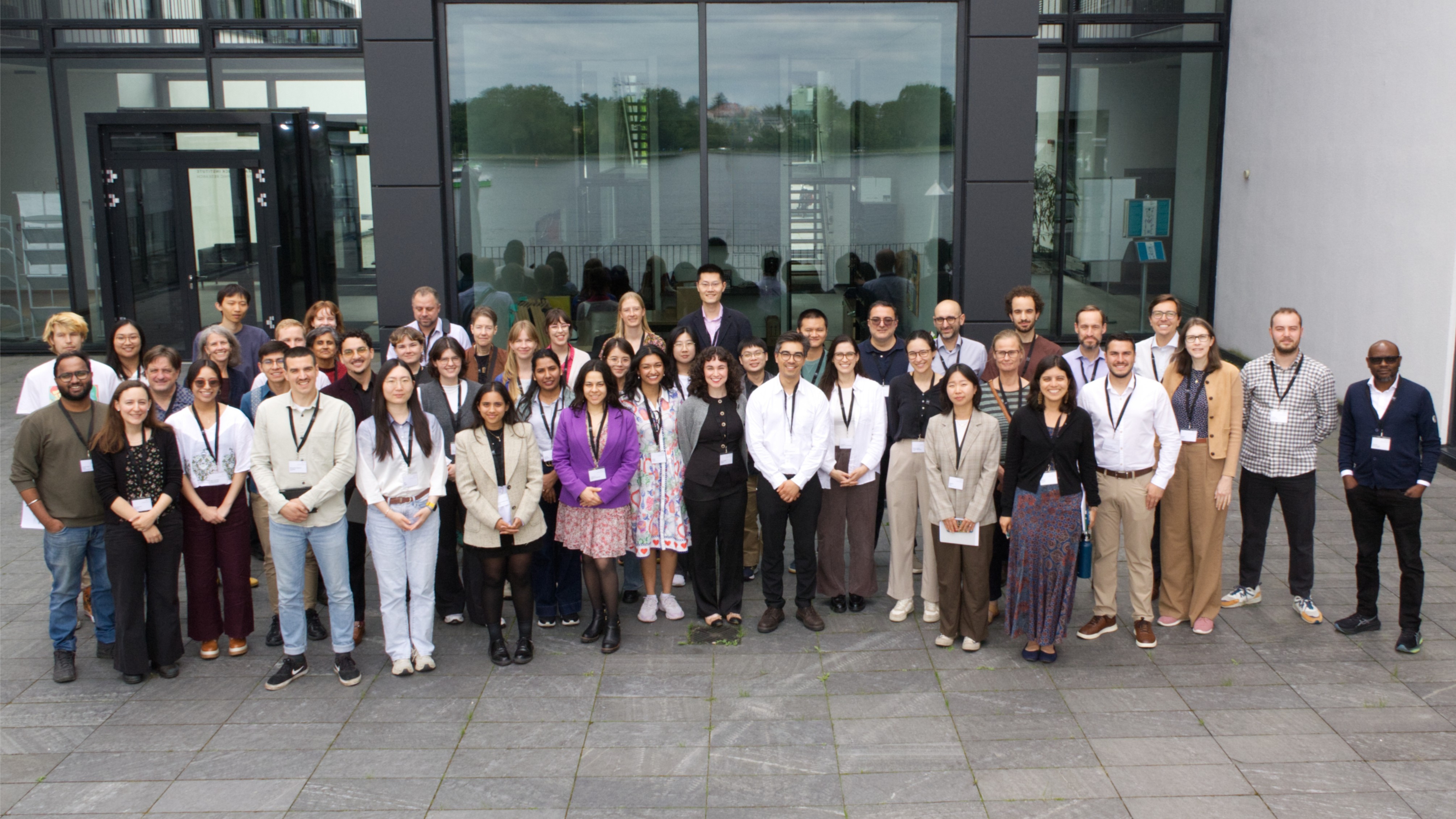
The international conference on Kinship Structures, Dynamics, and Inequalities was held on 8-9 June 2026 at the Max Planck Institute for Demographic Research (MPIDR) in Rostock, Germany. The event was organized under the auspices of the IUSSP Scientific Panel on Kinship Structures, Dynamics and Inequalities, in collaboration with MPIDR and partner institutions New York University Abu Dhabi, Pennsylvania State University, and the National University of Singapore.
The conference brought together a large and diverse group of scholars from demography, sociology, anthropology, public health, and statistics. Its central aim was to advance comparative and interdisciplinary research on kinship by sharing ideas on how rapid sociodemographic transformations reshape family systems beyond the household, and how these transformations contribute to, reproduce, or potentially mitigate social and economic inequalities.
Scientific Scope and AimsThe conference was motivated by the growing recognition that contemporary demographic change particularly declining fertility, increased longevity, migration, and changing partnership patterns has fundamentally altered the availability, structure, and functioning of kinship networks. While family research has historically focused on coresidential nuclear families, this conference placed emphasis on extended and non-coresidential kin, including grandparents, siblings, aunts, uncles, cousins, step families, in laws and other forms of “chosen kin”.
Across sessions, scholars engaged with key themes such as kin availability over the life course, inequalities in access to kin, intergenerational transfers, caregiving arrangements, kin loss and bereavement, and available data and methodological innovations for studying kinship structures and its functions. A further objective was to explore how kinship systems interact with broader processes of social stratification, including inequality by education, gender, migration background, and socioeconomic status.
Programme Structure and Thematic SessionsThe two-day programme combined keynote lectures, thematic oral sessions, and a poster session, facilitating both in-depth discussion and broad scholarly exchange.
The conference opened with welcoming remarks followed by a keynote lecture by Prof. Kath Weston (University of Virginia, University of Edinburgh), who reflected on shifting conceptualizations of kinship, particularly in relation to non-traditional and chosen family forms. The second keynote was delivered by Prof. Sangeetha Madhavan (University of Maryland), who addressed the implications of demographic and social change for intergenerational support systems and caregiving structures.
The oral presentation sessions were organized into five thematic panels and a poster session:
Session 1: Beyond the Nuclear FamilyThis session examined the diversification of family forms and the empirical measurement of extended kinship ties. Contributions addressed kinship networks in midlife, affinal relationships, and the weakening or persistence of lineage-based ties across different contexts, including Europe and sub-Saharan Africa.
Session 2: Kinship Structure, Availability, and InequalityPapers in this session focused on unequal access to kin across populations. Topics included the demographic consequences of violence on kinship structures, differences in kin availability by nativity, and the implications of parental health and changing family configurations for the “sandwich generation.”
Session 3: Data and MethodsThis session highlighted methodological advances in kinship demography. Presentations introduced new analytical tools for modelling kin-number distributions, discussed emerging administrative and survey-based data sources, and presented developments in microsimulation and population registers for kinship research.
Session 4: Kin Loss and BereavementContributions in this session addressed the demographic and social dimensions of kin loss. Papers examined global trends in widowhood, inequalities in exposure to child loss, and the long-term consequences of bereavement under conditions of health crises and structural inequality.
Session 5: Intergenerational Relationships and CaregivingThe final session focused on intergenerational exchanges and care systems. Presentations explored educational expansion and kin networks in Asia, caregiving arrangements in Latin America, and evolving configurations of motherhood and family forms in diverse cultural and institutional settings.
The conference constituted a key step towards advancing kinship demography as a field. The academic event reinforced the idea that kinship is not a fixed or background feature of demographic life, but a resource that is unevenly distributed and worth studying across different regions and disciplines. To emphasise this, the organisers announced the launch of a Special Collection of Demographic Research to showcase cutting-edge research on these topics.
 |